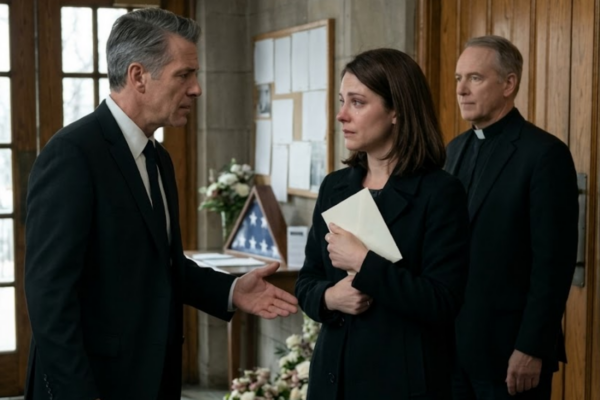
He Sent Money Home Every Month for Three Years to Support His Parents—But When He Finally Returned, He Found Them Living in a Run-Down Shack!
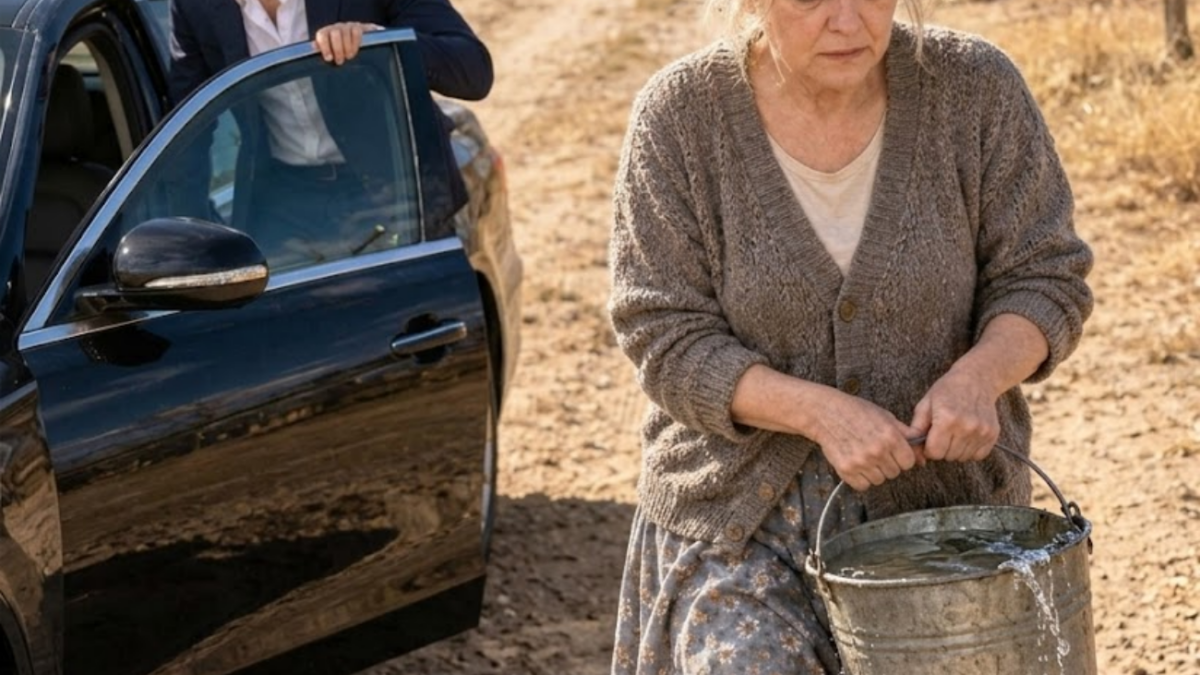
He Sent Money Home Every Month for Three Years to Support His Parents—But When He Finally Returned, He Found Them Living in a Run-Down Shack!
No. No, no, no. You can’t be living out here. Aaron? There are strangers living in our house, Mom. A neighbor had to tell me where to find you. Your sister sold the house, son. Said you needed the money. Needed money? Dad, I’ve sent money home every single month. For three years. After the first few months, honey…
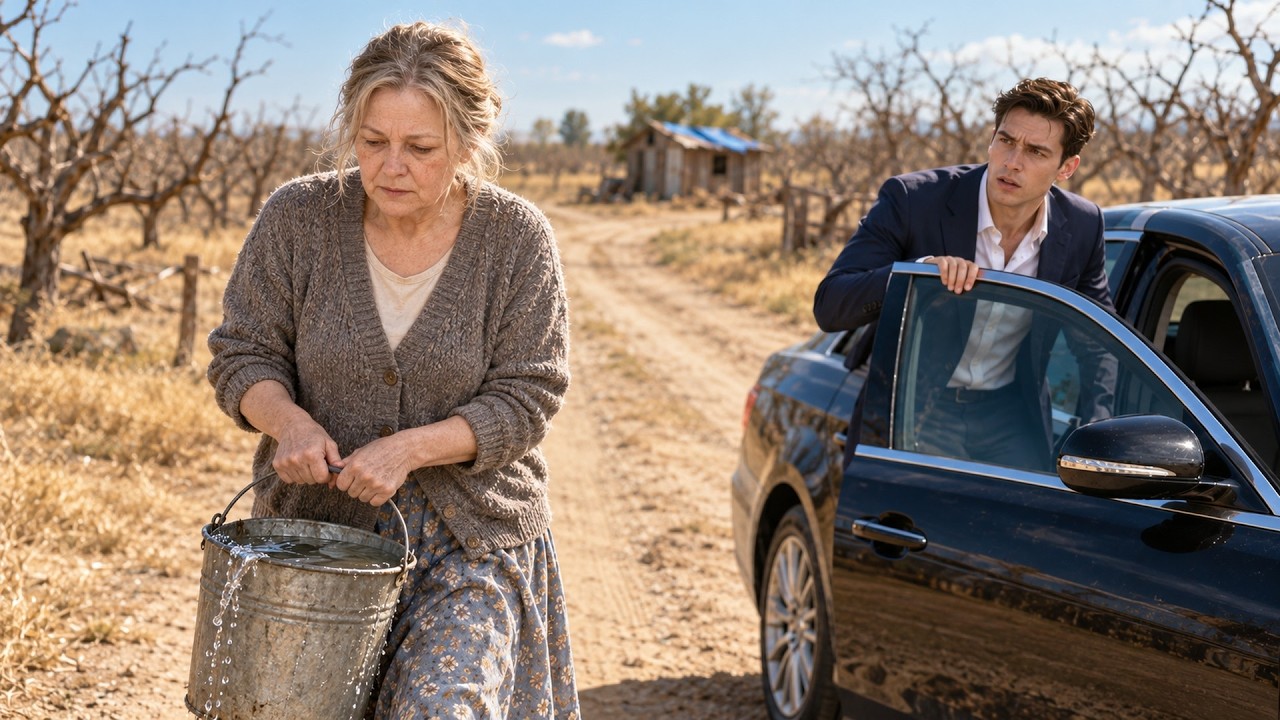
we never got another dime. Danny got me on at a warehouse in Dallas. I leave tomorrow. Dallas. Long way to go to lift boxes. It’s steady work, Dad. With your back, somebody’s got to bring something in. Thirty years at that mill, and my back quits before I do. Nine hundred. That’s all of it. Take seven. Two hundred will hold us till the pension.
Mom, I didn’t ask you for anything. That’s exactly why we’re giving it. Holly. You’re my little sister, and you’re the one who’s here. Look after them for me. I promise. Go. Every dollar of this comes back to you. Every single one. Just call when you get there. Call Holly’s cell, honey. I can never find the house phone.
Gus, this is Aaron. The guy I told you about. Truck’s in. Sign for it. Sheet says twenty-four. I count twenty-two. Twice. Do I still sign? You’re never. Count it first. Then sign. You sign for twenty-four, those two missing boxes are on us. Found ’em. Way in the back. You picked up another double? They gave me seven hundred out of their last nine, Danny.
I’m taking every extra shift they’ve got. Hol, first paycheck. I’m sending three hundred home. Don’t mail Dad a check. He’ll never cash a check from his own son. Send it to me— I’ll pull the cash and put it in Mom’s grocery jar. Okay. Good idea. And Aaron? Don’t bring up money with Dad on the phone. Let him keep his pride.
Got it. Thanks, Hol. From Aaron. His first check. Linda, get the notebook. The blue one. Every dollar goes in here. When he comes home, he sees it all got here. Four-fifty this time. He’s been working doubles. Holly, don’t tell him how tight it is here. He’ll worry himself sick. I won’t, Mom. Count the pages. A file with a page missing means somebody’s hiding something.
And your license application’s due next month. Six-eighty. Don’t let it slide. I’ve been saving for it, Pam. I’ll have it. Transmission’s shot. Four hundred to fix it, and the interview’s Thursday. I’m not asking you, babe. I’m just telling you. I’ll pay you back the second I start. They gave it to somebody’s nephew.
I’ll get you that four hundred, I swear. Just this one month. Travis pays me back, it all goes right back. Aaron, nothing this month. Aaron’s rent went up. He feels awful he couldn’t send anything. Don’t bring up money, okay? Hey, Mom. You guys doing okay? We’re fine, sweetheart. Don’t you worry about us. My mom collapsed this afternoon.
They’re saying rehab. Twenty-five hundred up front. I’m not asking you, Holly. Can I go see her? She doesn’t want anybody seeing her like this. She’s proud. She’s out in the next county, all by herself. Sixty dollars till the pension comes. Groceries first. The electric can wait. And not a word to Aaron. Aaron’s hours got cut.
He’s sick about it. The doctors say she needs surgery. Insurance covers most of it, but we’re still eighteen thousand short. The bank turned me down. Aaron co-signed a loan for a friend, and the guy took off. With interest and penalties, it’s a little over a hundred thousand. If it’s not paid, they’re suing him.
He’ll lose everything. Oh, my God. He’s too ashamed to tell you. He made me promise I wouldn’t. Then we sell the house. Frank— He’s our son, Linda. Full asking, and they close fast. Proceeds go straight into your parents’ account. The lawyer will only deal with one account. Move it into mine, and I’ll pay it off directly.
That way your names never touch his debt. All set, Mr. Whitley. The full balance goes into your daughter’s account this afternoon. Holly. Don’t you ever tell him we sold this house. He’d never get over it. It’s only for now. Sixty percent. They signed. Aaron, you’re a millionaire. I swore I wouldn’t go home till I could pay them back all at once.
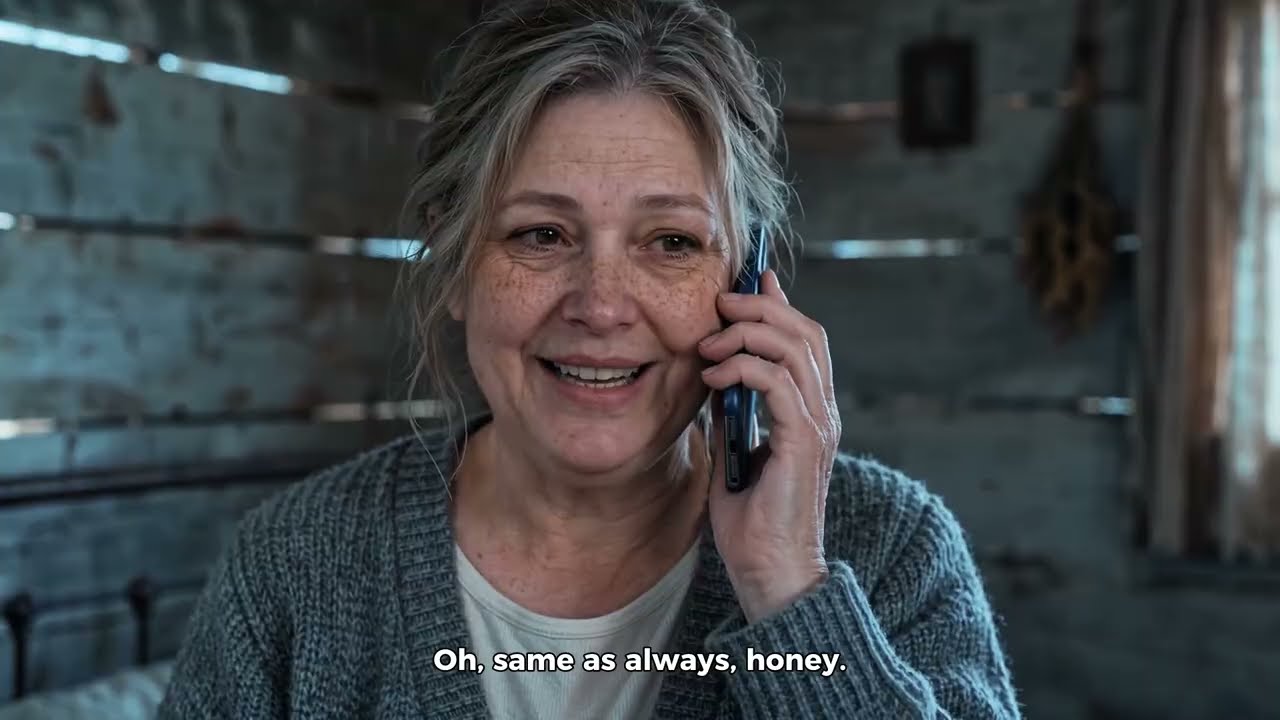
So go home. Hol, the company took off. Danny and I actually did it. That’s… amazing, Aaron. Really. You at Mom and Dad’s? Put Mom on. Hey, Mom. How’s the house holding up? Oh, same as always, honey. I’m coming home soon. And I’m bringing a surprise. Thirty-six transfers. Thirty-nine thousand, one hundred fifty dollars.
Every one of them to Holly. Two thousand? A month? All this last year, Dad. And where did it go? Where’s Holly? At work. The real estate office. Get your things. I’m taking you both to the inn in town. Rent’s paid through the end of the month. We’re not going anywhere till we know what happened. Aaron? You’re… home.
Mom wrote down every dollar she got. Three lines, Holly. I sent thirty-six. It was supposed to be one month. Travis needed four hundred for his truck. Then his mom collapsed, then the surgery… I was gonna put it all back. He was going to pay me back. Has he paid back one dollar? And the house? I told them you were in debt.
I had Dad sign a form, and it all went into my account. They’re hauling water to a shack, Holly. Get your coat. You’re telling Mom and Dad. Today. To their faces. Mom. Dad. The money never stopped. Aaron sent it every single month. I just stopped giving it to you. He never asked you for a cent. There was no loan. No debt.
The house money went to Travis’s mother. For her surgery. You made us sell our home over a lie. Your mother’s been hauling water from the creek every morning. I’m sorry. I’ll pay back every dollar, I swear. I love you, Holly. But I need time. That poor woman. Is she any better? Our house paid for her surgery.
I’d at least like to bring her a pie. Holly. Have you ever met her? …No. Hospital called again. Ninety-four hundred for rehab. Due Friday, or it goes to collections. I hate even asking. How much is left in your account? …Ninety-six hundred. He’s paid bills from my phone before. So he knows your balance down to the last hundred.
Count it first. Then sign. That’s all of them. Over two years. So who gets paid on these? Cedar Hollow billing, how can I help you? Quick question. I’ve got a bill from you with an account number for payment. Ending in four-four-seven-one. Is that one of yours? Sir, we don’t put bank account numbers on our bills at all.
You pay with your patient account number. It’s printed on page two. Page two. Thank you. Pull up your transfers to Travis. Same account. The hospital was never getting paid. Travis was. Page one of two. Every single one. Pam always says a file with a page missing means somebody’s hiding something. The bills are fake, Hol.
Then his mother… is she even…? I’m still bringing her that pie. Linda. If that woman’s sick, she gets a pie. If she isn’t, I want to look her in the eye. I know where she lives. I left flowers on her porch once. Morning. Can I help you folks? Are you Beverly Reed? Bev. Who’s asking? I’m Linda Whitley. We came to see how you’re doing. After your surgery.
My surgery? Honey, I had a little scope on my knee four years ago. Insurance paid every penny. I… left flowers on your porch. A couple of years ago. Yellow daisies. I kept it. I wanted to know which one you were. Which one? You’re the third girl who’s come looking for me. The first one brought soup. The second one cried on my steps.
You didn’t even knock. Why not? He said you didn’t want anybody to see you like that. That’s what he told the other two. Mrs. Reed, Travis told my sister you collapsed. ICU, surgery, rehab. Two years of bills. And she paid them. With the money I was sending our parents. Lord. He opened a credit card in my name, too.
Eleven thousand. I found out when the collectors called. And you never reported him? He’s my son. Every time, I told myself it was the last time. Then I’d pay the minimum and keep my mouth shut. We sold our house for your surgery. Then I can’t protect him anymore. You did what a mother does. So did we. Where is he now? He only comes by when he needs something.
Last week he said he’s got a job lined up out west. I’m calling the police. Today. Hey, babe. Did you see my text? Mom still can’t get out of bed. Ninety-four hundred, by Friday. I saw it. And listen—I got a job in Phoenix. I leave Friday. Come with me. Bring what’s left, and we start over. Just us. My brother’s back.
He’ll cover it. He wants to meet you first. Your brother? The trucking guy? You said his company took off. Perfect. I’ve been wanting to ask for his blessing anyway. He says his mother can’t get out of bed. Then let him say it to her face. The Whitley house. I lied to my parents to get them to sell it. The money went to my boyfriend.
I have to let you go, Holly. And on your license application, you’ll have to tell them all of it. I’m withdrawing it. You walked in here and told me yourself. That counts for something. Mrs. Reed filed for identity theft yesterday afternoon. That part’s solid. But these only prove money went into his account.
To a jury, it looks like a girlfriend helping out her boyfriend. And he’ll say the rehab place sent him those bills and he just passed them on. To prove fraud, I need him on tape— fake bill in his hand, asking for money, saying his mother’s sick. In this state, only one person in the conversation has to agree to the recording.
And if his mother’s sitting right there when he says it? Then he’s lying to her face, on tape. That’s about as good as it gets. I’ll be there. You tell me when. Then I’ll record it. And everything I did, I’ll put in a statement and sign it. You know what that’s gonna cost you. I know. Aaron! Finally. Holly talks about you all the time.
That’s the rehab bill. I hate that it came to this, man. I’m sure you do. Before we get into money— I want to do this right. I love your sister. And I’d like your blessing. Let’s start with the bill. Fair enough. Business first. I respect that. And look, since we’re sitting here— a buddy of mine’s got a little business in Phoenix.
Fifty grand gets you in. With your kind of money, that’s nothing. Which hospital is she in? Cedar Hollow. Third floor. When did she go in? Couple years back. She’s been fighting ever since. Her doctor’s name? Dr. Patel. Great guy. Real straight shooter. You want to grill me, or you want to help my mother? And whose account is this? Because I called Cedar Hollow.
They don’t take payments into anybody’s bank account. That’s—the rehab place. They collect for the hospital. It’s a whole system. How’s your mom doing, Travis? Still can’t get out of bed, babe. And I’m not asking for me— I walked in here on my own two feet, Travis. Took the bus. Mom? You—you shouldn’t be out of bed.
I was out planting roses at seven this morning, son. Sit down, Mr. Reed. Mom, come on. Tell him. I already did. Tuesday. Travis Reed, you’re under arrest for identity theft and fraud. Stand up and turn around. Holly. Babe. You know me. I’m not asking you, Travis. I’m just telling you. We’re done. The prosecutor’s asked the court to freeze the account he was taking the money into.
He was about to move it all to Phoenix. Little over fifty thousand left in it. It’ll take a few months, but most of it should go back to your parents. Thank you. Really. The ninety-six hundred’s back in Mom and Dad’s account. I took over the rest of the lease. I start stocking shelves at the grocery Monday.
Whatever the court doesn’t give back, I pay. Every month. Every month, Hol. Every month. Aaron… whose house is this? Yours, Mom. Yours and Dad’s. Son… no more rent. No more rent, Dad. And I’m not going back to Dallas. Danny can run the office. Figured nobody should have to cook on moving day. Every call, Mom said they were doing fine.
And I took her word for it. Three years, and I never once drove out to see. That’s the thing, man. A phone call’s not enough. You get in the car and you go see them. I haven’t been home in half a year myself. Then don’t wait. Yeah. Yeah, okay. Three hundred. Same as Aaron’s first month. You keep writing it down. Every dollar.
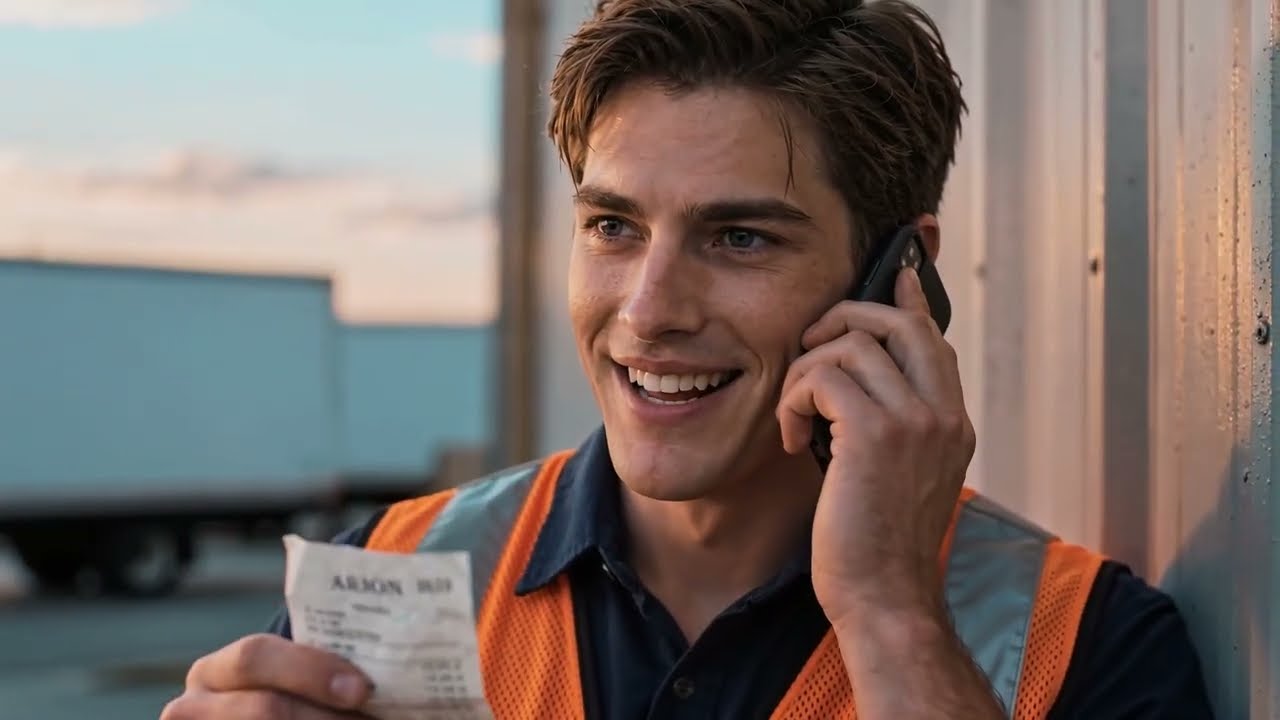
You said you’d pay us back, son. You paid it ten times over. It was never about the money, Dad. Go on, honey. Eat. Bev, you’re at this table every Saturday from now on. Try and keep me away.
The cedar siding of the house on Old Mill Road had always smelled of linseed oil and damp pine, a scent that Aaron Whitley carried in the fabric of his jacket through three long years of diesel fumes and concrete dust in North Texas. In his memory, the kitchen window caught the morning light across the linoleum, illuminating the blue porcelain sugar bowl and the stack of local newspapers his father kept folded neatly beside the telephone. That kitchen was the anchor of an honest life. It was the place where Frank Whitley had sat every evening after thirty unbroken years at the lumber yard, nursing a lumbar spine worn down to bone and gristle, refusing to complain because a man who provided for his household had no business grumbling about the cost.
When Aaron stepped out of his truck, the engine ticked as the manifold cooled in the crisp mountain air. He wore a clean pressed shirt and carried a leather portfolio containing certified cashier’s checks, bank drafts, and the signed equity buyout documents from a logistics firm that had turned him from an exhausted pallet loader into a wealthy partner. He had imagined this exact walk up the flagstone path a thousand times while loading boxcars in ninety-degree heat. He would open the screen door, hear the familiar groan of the hinges, and place the papers on the table before his father’s calloused hands.
He knocked three times. The screen door was brand new, made of dark, heavy extruded aluminum that didn’t rattle.
The inner door swung open. Standing in the foyer was a young woman in running shoes, holding a toddler on her hip and looking at Aaron with the flat, defensive curiosity reserved for utility contractors or lost delivery drivers.
“Can I help you?” she asked.
Aaron lowered his hand, his eyes scanning the hallway behind her. The pastoral wallpaper was gone, replaced by a coat of pale gray paint. The oak coat rack where his father had hung his oilskin jackets for decades was missing; in its place hung an abstract canvas print of birch trees.
“I’m Aaron Whitley,” he said, forcing a polite smile that felt brittle against his teeth. “Frank and Linda Whitley’s son. I think… is my mother in the garden?”
The woman’s expression shifted, the defense dropping away into an uncomfortable, guarded embarrassment. “Mr. Whitley. We bought this place through the title office. The closing was handled months ago. There aren’t any Whitleys here.”
The wind caught the tops of the sweetgum trees along the fence line, a dry, rustling sound that seemed to pull all the oxygen out of the clearing.
“You bought it?” Aaron’s voice was barely a whisper. “From who?”
“From a real estate brokerage downtown,” she said, stepping back slightly and shifting the child to her other hip. “The daughter handled the estate sale for her parents. If you’re looking for them, a fellow down at the feed store mentioned they were staying out past the old county quarry road. Out near the timber boundary. Down on the bottom acre.”
Aaron did not remember walking back to his truck. The gravel crunched under his boots with the hollow rhythm of a drum. He put the vehicle in reverse, his knuckles turning porcelain-white on the steering wheel, his mind spinning through thirty-six consecutive electronic bank transfers, thirty-six receipts filed in his glove box, and thirty-six quiet telephone conversations where his sister had assured him that their parents were safe, comfortable, and well provided for.
The quarry road degenerated into rutted red clay two miles past the asphalt boundary. Deep gullies carved by autumn rains forced Aaron to drop the transmission into low gear, crawling through overgrown sumac and scrub oak until the trees parted to reveal a swampy clearing beside a sluggish creek.
In the center of the clearing sat a structure that had once served as a seasonal tool shed for the county road department. Its walls were mismatched sheets of corrugated tin and rotting plywood, nailed to rough-hewn pine poles. The roof sagged on the eastern corner, patched with a faded blue plastic tarp held down by discarded tires. A rusty stovepipe protruded through a tin flange in the roof, leaking a thin, sickly ribbon of gray smoke into the overcast sky.
Beside the creek bank, a slight figure in an oversized flannel coat moved with agonizing slowness. She carried a five-gallon plastic spackle bucket, her boots sinking inches into the dark mud with every step. Her shoulders were stooped, her gray hair escaping from beneath a knit cap, her breath rising in short, ragged puffs.
Aaron cut the ignition. The door of the truck flew open and he hit the wet ground running, his boots sliding in the clay.
“Mom!”
The sound tore out of his throat, raw and discordant.
The woman stopped. She dropped the heavy bucket, water sloshing across her worn leather boots, and turned slowly. Her face was hollowed at the temples, her cheeks lined with a deep, gray fatigue that Aaron had never seen in all the years she had cooked over a hot stove on Old Mill Road. She squinted through the mist, her lips parting in disbelief.
“Aaron?” Linda Whitley whispered, raising a chapped, trembling hand to her mouth. “Oh, Aaron… no, baby, no. You can’t be out here.”
Behind her, the warped plywood door of the shed scraped open against the dirt. Frank Whitley emerged, leaning heavily on a carved ash walking stick, his left hand braced against his lower back as his torso twisted with chronic pain. He took three halting steps into the damp yard, his flannel shirt hanging loosely over ribs that were visibly prominent.
“Aaron?” the old man rasped. “Son?”
Aaron caught his mother by the shoulders, his fingers sinking into the thin, damp wool of her coat. He looked past her into the interior of the shed. Through the door, he could see a dirt floor packed hard by boot heels, a rusted cast-iron woodstove perched on cinderblocks, two folding metal cots pushed against the tin wall, and an open cardboard box containing half a loaf of bread, two cans of generic pinto beans, and an electric kettle plugged into an extension cord that vanished into a neighbor’s distant barn line.
“No,” Aaron said, his voice cracking as his vision blurred with furious, uncontainable tears. “No, no, no. You can’t be living out here. Mom… there are strangers living in our house. A woman with a baby answered the door. A neighbor had to tell me to drive down into this hollow. What happened to our house?”
Frank stopped beside his wife, placing a trembling, liver-spotted hand on his son’s forearm. “Your sister sold the house, son. She said you needed the money.”
Aaron froze. The clearing went dead, terrifyingly silent.
“Needed the money?” Aaron repeated, each word dropping like a lead weight into the mud. “Dad… I’ve sent money home every single month for three years. Every single month without missing a day.”
Linda looked up at him, her watery blue eyes wide with a gentle, crushing pity that shattered what remained of his composure.
“Honey,” she said softly, reaching out to touch his wet cheek. “After the first few months… we never got another dime.”
The Departure
The chain of events had begun in the sweltering late summer three years earlier, when the timber mill had permanently shuttered its secondary planing operation. Frank Whitley, fifty-nine years old with two herniated discs and an arthritic hip that locked after twenty minutes of standing, had climbed down from the cab of his forklift for the last time. He had received an honorable handshake, a commemorative brass belt buckle, and an early disability pension that amounted to less than eight hundred dollars a month after medical deductions.
Aaron had been twenty-three, working part-time at an auto parts warehouse in town, watching his father sit at the kitchen table late into the night, staring at utility bills with a look of silent terror.
“A guy I know, Danny Torres, got on with a regional freight warehouse down in Dallas,” Aaron had told his father on the back porch one humid evening. “They’re hiring third-shift stockers and pallet loaders. It’s sixty hours a week guaranteed, with double-time on weekends. I leave tomorrow morning.”
Frank had turned his head away, his jaw tightening. “Dallas is four hundred miles to go to lift heavy boxes, son. A man ought to be able to make an honest living in his own county.”
“There are no boxes to lift here, Dad,” Aaron had replied gently. “With your back the way it is, somebody’s got to bring something into this house. You put thirty years into that mill so I could finish high school without a work permit. Let me carry the load for a while.”
“Thirty years at that mill,” Frank had muttered, staring out over the gravel driveway, “and my damn back quits before I do.”
Later that evening, Linda had pulled Aaron into the small pantry off the kitchen. She had reached into an empty glass flour canister and retrieved a worn manila envelope containing nine one-hundred-dollar bills—every cent remaining in their emergency savings account.
“Take seven hundred of this, Aaron,” she had whispered, pressing the currency into his palm. “Two hundred will hold your father and me until the first pension draft clears at the bank. You’ll need gas, a deposit on a room, and work boots.”
“Mom, I didn’t ask you for a penny,” Aaron had protested, trying to push the money back.
“That’s exactly why we’re giving it to you,” Linda had said, her fingers closing his around the bills. “Take it and don’t let your father see you carrying it. You call us the minute you cross the Red River.”
In the front gravel drive, Aaron’s younger sister, Holly, had stood leaning against his battered sedan. Holly was twenty, bright-eyed, and ambitious, working as an administrative assistant at a local real estate brokerage while studying for her broker’s license. She had always been the articulate one, the daughter who knew how to navigate county forms and digital filings.
“Holly, you’re the one who’s staying here,” Aaron had told her, grabbing her in a tight hug. “I’m going to send everything I can scrape together back home. Look after them for me. Make sure Dad doesn’t climb up on the roof to clean the gutters, and make sure Mom takes her blood pressure medicine.”
“I promise, Aaron,” Holly had said, looking up at him with clear, earnest eyes. “Go on. Every dollar you send will go straight to keeping this family whole. Just call when you get settled. Call my cell phone, though—you know how Mom can never find the handset to the landline.”
The Furnace in Dallas
The North Texas freight terminal was a concrete furnace that never slept. Four hundred thousand square feet of corrugated metal, ninety-six loading bays, and an unending procession of eighteen-wheelers arriving from Memphis, Atlanta, and Kansas City.
Aaron and Danny Torres rented a dilapidated two-bedroom apartment near the rail yards in Irving, splitting the six-hundred-dollar rent and subsisting on bulk eggs, dry beans, and five-pound bags of rice. Aaron’s shift began at eleven at night and ended at seven in the morning, but within two weeks, he was signing up for every available turnaround shift, logging sixteen hours a day under the watchful eye of a veteran dock supervisor named Gus.
Gus was a barrel-chested former marine who carried a clipboard like a sidearm and tolerated no excuses. On Aaron’s third night, a tractor-trailer backed into Bay Twelve carrying a manifest of twenty-four heavy wooden crates of industrial pump components.
“Truck’s in,” Gus barked, tossing the clipboard onto Aaron’s forklift seat. “Sign for it and get it cleared.”
Aaron took the manifest, climbed into the dark trailer with a hand scanner, and counted the skids. He walked back to the bay door, his brow furrowed.
“Manifest says twenty-four, Gus,” Aaron said. “I counted twenty-two. Twice. Do I still sign the bill of lading?”
Gus stopped, turning around slowly to look at the new hand. “You never sign until the count matches the paper, kid. If you sign for twenty-four and two boxes are missing, those two missing crates come out of your wages, or worse, out of your hide. You find them, or you mark the discrepancy.”
Aaron climbed back into the dark trailer with a high-powered flashlight, crawled over two tiers of cargo, and found the two missing skids lodged behind a damaged false bulkhead near the cab. When he emerged, sweating through his canvas shirt, Gus nodded once.
“Good eyes,” Gus grunted. “Count it first, then sign. Remember that rule and you’ll survive in this business.”
Within six weeks, Aaron was clearing nine hundred dollars a week after taxes. After covering his half of the cheap apartment rent and twenty dollars for groceries, he called Holly from a payphone outside the terminal cafeteria.
“Holly, I’ve got my first clear surplus,” Aaron said, his heart beating with pride. “I’m sending three hundred dollars home today. How should I do it? Should I mail Dad a bank check?”
“No! Don’t do that, Aaron,” Holly said quickly over the line. “You know Dad. If you mail him a formal cashier’s check from his own son, his pride will choke him. He’ll leave it sitting on the mantelpiece until it expires rather than cash it at the bank in front of his old coworkers. Send it to my account. I’ll go to the drive-through, pull the cash out in small bills, and tuck it straight into the blue ceramic sugar bowl in Mom’s pantry. That way she can buy groceries without Dad feeling like he’s taking charity.”
“That’s smart,” Aaron said, relieved. “That’s really smart, Holly. Thanks.”
“And Aaron?” Holly added, her voice dropping into a conspiratorial whisper. “Don’t bring up money when you talk to Dad on Sunday nights. Let him keep his dignity. He still talks about that mill like he’s going back next spring.”
“Got it,” Aaron said. “Take care of them.”
The Blue Notebook
In the small house on Old Mill Road, Linda Whitley sat at the kitchen table with an eight-digit pocket calculator and a spiral-bound blue ledger notebook she had bought at the discount pharmacy for ninety-nine cents.
On the first ruled page, she had written in her neat, looping cursive: Aaron’s Working Money.
Beneath that heading were three single entries:
September: $300.00 (Cash from Holly)
October: $350.00 (Cash from Holly)
November: $450.00 (Cash from Holly)
“Linda, put that away,” Frank grunted from his recliner in the living room, his eyes fixed on an afternoon baseball broadcast. “The boy worked eighty hours in a concrete barn to earn that money. We ought to be sending him a check, not taking his pay.”
“We aren’t spending it on nonsense, Frank,” Linda replied, her voice firm as she closed the blue cover. “Every single dollar he sends is being tracked right here. When he comes home to start a family of his own, he’s going to see that his mother kept an honest accounting of every cent. He’s going to get it all back when he needs a down payment on a house.”
She looked up as the front screen door swung open. Holly stepped into the kitchen, carrying her leather work bag and wearing a sharp, stylish trench coat she had purchased on layaway.
“Holly,” Linda said, pushing the notebook forward. “Did you talk to Aaron today? He said he was working an overnight turnaround.”
Holly paused, her hand hovering over the straps of her purse. “I did, Mom. But… listen, don’t mention the money when he calls tonight. His landlord raised the rent on that Dallas apartment by two hundred dollars, and the radiator blew in his car. He feels terrible that he couldn’t send anything this month. He was almost in tears on the phone.”
Linda’s hand flew to her chest. “Oh, the poor boy! Is he eating properly? Frank, did you hear that? Aaron’s car broke down!”
“I told you Dallas was too damn far,” Frank muttered, shifting uncomfortably in his chair. “Tell him to come home, Linda.”
“He doesn’t want to come home broke, Dad,” Holly said quickly, stepping between the rooms. “Just… don’t bring up money. If you ask him about the cash, he’ll feel like he let you down. Just talk about the weather and the garden. Let him think everything here is fine.”
“Of course,” Linda said, her heart aching for her absent son. “We won’t say a single word.”
The Infiltration
The three hundred dollars Aaron had transferred that month had not vanished into a car radiator in Texas. It sat in the checking account of Travis Reed.
Travis was twenty-six, charismatic, and unemployed, possessing the smooth, frictionless confidence of a man who treated other people’s earnings as natural resources waiting to be harvested. He drove a ten-year-old sports coupe with peeling clear coat, wore shirts that smelled of expensive cologne and stale clove cigarettes, and had been dating Holly for six months. He had spent three years working intermittent desk jobs at used car dealerships and equipment rental yards, leaving each position amidst vague rumors of altered inventory sheets and missing cash drawers.
He sat on the counter of Holly’s small apartment in town, tossing his car keys into the air and catching them with a practiced flick of his wrist.
“The transmission dropped out of the coupe on Highway 9,” Travis said, not looking at her. “The mechanic down at the transmission shop says four hundred dollars for parts and labor, cash upfront, or he pulls it off the lift. And my interview for that regional territory sales job is Thursday morning.”
Holly leaned against the sink, biting her lip. “Travis, that money in my account is from Aaron. He worked seventy hours last week. It’s supposed to go into Mom’s sugar jar for their groceries.”
Travis stopped tossing the keys. He stepped down from the counter, walked over to Holly, and placed his hands gently on her shoulders, looking into her eyes with an expression of wounded sincerity that had disarmed her from the day they met.
“Babe, look at me,” he murmured, his voice velvety and low. “Do you think I want to ask you for this? It kills me. It literally makes me sick to my stomach. But this sales job has a fifty-thousand-dollar base salary with a company car. The second I get my first commission check, I pay Aaron back every single nickel, plus an extra two hundred for his trouble. It’s an investment in us, Holly. Do you want me to miss the interview? Do you want me to tell them I couldn’t make it because I couldn’t afford a transmission gasket?”
Holly closed her eyes, the pressure behind her temples throbbing. “He said he’d have another double shift next week…”
“Exactly,” Travis smiled, kissing her forehead. “Just this one time. A two-week bridge loan between family. It all goes right back into the jar.”
The sales job, of course, was a fabrication. Two weeks later, Travis returned with a somber, brooding expression, claiming the position had been awarded to the regional vice president’s nephew. The four hundred dollars was gone, spent on sports bets, bar tabs, and new leather driving gloves.
And then, the lies required more structure to survive.
Two months later, Travis arrived at Holly’s apartment at midnight, his eyes wide and panicked, his shirt wrinkled. He paced across her small living room like a caged animal.
“It’s my mother,” Travis choked out, burying his face in his hands. “She collapsed on the kitchen floor this afternoon. A massive cardiac event and a pulmonary stroke. They rushed her to Cedar Hollow Hospital down in the south valley. She’s in the critical care unit right now.”
Holly gasped, covering her mouth. “Oh my god, Travis! Is she going to make it?”
“The doctors say she needs intensive neurological rehabilitation if she’s ever going to walk again,” Travis said, his voice cracking with convincing tremors. “Her insurance has a catastrophic deductible. They need twenty-five hundred dollars cash upfront before they will admit her to the specialized inpatient wing. If I don’t have the wire transfer by tomorrow morning, they move her to a county palliative ward where they just let stroke patients wither away.”
“Twenty-five hundred dollars?” Holly’s voice shook. “Travis, I don’t have twenty-five hundred dollars! My brokerage salary barely covers my rent!”
Travis looked at her, his eyes hollow and dark. “What about the transfers from Dallas? You said Aaron sent twelve hundred dollars last week because his freight company gave him a quarterly performance bonus.”
“That’s for Mom and Dad!” Holly cried out. “Dad’s prescription co-pays went up! He’s rationing his pain medication!”
“Holly, my mother is dying!” Travis yelled, his voice echoing off the apartment walls. “Your dad has a sore back! My mother cannot breathe on her own! Are you honestly going to tell me that your family’s grocery money is worth more than a human woman’s life?”
He grabbed his keys and stormed toward the door. “I’ll go to a loan shark. I’ll sign whatever paper I have to sign. If I get my legs broken next month, at least my mother will be alive.”
“Travis, wait!” Holly ran after him, grabbing his arm in the hallway. Her breath came in frantic sobs. “Wait… don’t go to a loan shark. Please. Can I… can I come with you to the hospital? Can I see her?”
Travis stiffened slightly, his eyes narrowing before he softened his posture. “No. She doesn’t want anyone to see her like this. She’s proud, Holly. You know how these old southern women are—she’s lying there with tubes down her throat, completely helpless. She made me swear on the Bible that I wouldn’t let anyone from town see her until she was back on her feet. Just… transfer the funds to my account. I’ll pay the admissions office directly.”
Holly nodded, trembling, and pulled out her smartphone.
The Manufactured Trap

Over the next eighteen months, a predatory rhythm took hold of the Whitley household, orchestrated entirely through three-way deception.
Whenever Aaron called from Dallas, Holly answered first.
“Aaron, Dad’s having a rough week with his hip,” she would say, her voice tight with artificial strain. “He’s sleeping a lot. Don’t mention the money, please—he saw an article in the paper about young men getting injured in warehouse jobs and he’s terrified you’re killing yourself down there for them. If he thinks you’re sending half your paycheck, he’ll order you to quit.”
And when Aaron spoke to his parents, Linda would keep the conversation strictly to the weather, the tomato plants, and the neighbors.
“We’re doing just fine, sweetheart,” Linda would say, her stomach growling with hunger while she looked at the single can of green beans sitting in her cupboard. “Don’t you worry about us for one second. You take care of your health.”
Behind the scenes, Travis’s phantom mother became an insatiable financial black hole.
First, it was a specialized physical therapy regimen requiring eight hundred dollars every two weeks. Then, a sudden relapse requiring eighteen thousand dollars for an emergency vascular procedure that insurance allegedly refused to authorize.
To meet the spiraling demands, Holly began draining her own savings, borrowing against her future real estate commissions, and finally, intercepting every single cent Aaron transferred from Dallas. Aaron, who had been promoted to logistics manager and had partnered with Danny Torres to purchase two used semi-trucks, was wiring fifteen hundred, then two thousand dollars a month.
Not one cent ever reached the blue ceramic sugar bowl on Old Mill Road.
In the dead of winter, Frank and Linda Whitley were living on sixty dollars a month after paying the minimum electrical and heating oil bills. Frank sat in his cold living room wearing two winter coats and a wool blanket, refusing to run the baseboard heaters because he was terrified of running up a balance the family could not settle.
Then came the final, devastating escalation.
Travis arrived at Holly’s office at five in the afternoon, locking the glass door behind him. He pulled out a crumpled, official-looking document with a red legal stamp in the corner.
“It’s over,” Travis said, his voice flat, devoid of emotion.
“What’s over?” Holly asked, looking up from her desk.
“Aaron,” Travis said.
Holly’s heart seized. “What happened to Aaron? Was he in an accident?”
“Worse,” Travis lied, stepping close and dropping the forged paper onto her blotter. “Aaron got desperate to buy those trucks in Dallas. He co-signed an unsecured commercial equipment note for a guy named Miller—some independent hauler who promised to split the freight routes with him. Miller took the trucks, crossed the Mexican border at Laredo, and vanished into thin air. The commercial lending syndicate in Dallas is holding Aaron fully liable for the entire debt.”
Holly grabbed the paper, her eyes scanning the fabricated legal jargon: Notice of Default… Joint and Several Liability… Total Outstanding Balance: $104,200.00.
“A hundred and four thousand dollars?” Holly gasped, the room spinning around her. “Aaron doesn’t have that kind of money! He’s working out of a rented trailer!”
“The lenders filed an emergency civil attachment this morning,” Travis said, his eyes drilling into hers. “They’re preparing a grand jury referral for commercial loan fraud. If the balance isn’t satisfied within thirty days, Aaron goes to a federal detention facility. He called me from a burner phone two hours ago. He was crying so hard he could barely talk. He made me swear on my life that I wouldn’t tell your parents because he was terrified Frank would have a fatal heart attack from the shame.”
“What do we do?” Holly sobbed, burying her face in her hands. “What can we possibly do?”
Travis leaned across the desk, his voice dropping into a cold, predatory whisper. “There is only one asset in this family that has that kind of liquidity. The house on Old Mill Road.”
“Sell the house?” Holly pulled back, horrified. “Travis, that’s their home! They’ve lived there for thirty-five years! Dad built the back porch with his own hands!”
“Do you want your father to keep his porch, or do you want your brother to spend ten years in a federal penitentiary?” Travis countered brutally. “We list the property quietly through your brokerage. I have an institutional cash buyer who closes off-market in ten days—no signs in the yard, no public open houses. The proceeds clear straight into an escrow account. We wire the hundred thousand to the Dallas lenders, pay off the debt, and Aaron is free. Then, when Aaron’s company gets back on its feet, he buys them a brand-new house in town.”
“Where will Mom and Dad live?” Holly wept.
“My cousin owns that timber acreage out by the old quarry road,” Travis said smoothly. “There’s a caretaker cabin on the property. It’s dry, it’s quiet, and it has a working woodstove. They stay out there for six months—just until the Dallas mess clears. We tell them it’s a temporary retreat so they don’t have to deal with the stress. You tell them Aaron’s life depends on it.”
Two days later, Holly sat across from her parents at the kitchen table on Old Mill Road. She did not show them the paper; she simply repeated Travis’s monstrous fiction, her voice trembling with manufactured terror.
Frank Whitley sat in his chair for a long, terrible hour without speaking. His hands rested on the arms of the recliner, perfectly motionless. Linda wept silently into her apron.
Finally, the old man looked up at his daughter.
“Aaron signed the note?” Frank asked, his voice cracked and hollow.
“Yes, Dad,” Holly whispered. “He was trying to build something for us. He made a mistake.”
Frank took a slow, agonizing breath that rattled deep in his injured chest. He reached across the table and took his wife’s hand.
“A house is just timber and nails, Linda,” Frank said softly. “Aaron is our boy. We sell the place.”
The closing was completed within fourteen days. A commercial investment trust purchased the property for one hundred and forty thousand dollars in cash—substantially below market value, but fast enough to meet the fictional deadline.
At the closing table, Holly slid a third-party authorization form across the mahogany surface to her father.
“Sign here, Dad,” she had whispered. “The title attorney said the proceeds have to be routed through a separate intermediary account so the Dallas creditors can’t attach a lien to your names while the settlement is negotiated. It goes into my account, and I wire it straight to the defense lawyers.”
Frank had picked up the cheap plastic pen, his fingers stiff with arthritis, and scrawled his name on the line.
“Don’t you ever tell Aaron we had to sell this place, Holly,” Frank had whispered, his eyes rimmed with red. “He’s a proud boy. If he knew his mother was living in a tool shed because of his mistake, he’d never look himself in the mirror again.”
The Return
In the muddy clearing beside the quarry creek, Aaron stood between his shivering parents, listening to the pieces of the puzzle fall into place with the precision of a guillotine.
“A loan?” Aaron’s voice was completely dead, stripped of all inflection. “A hundred-thousand-dollar debt in Dallas? A federal lawsuit?”
“Holly said you co-signed for a man named Miller,” Linda said, her teeth chattering as the mountain wind cut through the clearing. “She said you were facing prison, Aaron. She said you begged her not to tell us because you were too ashamed.”
Aaron closed his eyes. The memory of thirty-six months of brutal physical labor washed over him. The nights he had spent sleeping on pallets in the warehouse to save six dollars on bus fare. The salt stains on his work shirts. The double shifts he had begged for so he could wire two thousand dollars home every month.
“Mom,” Aaron said, taking her icy hands into his own. “I don’t know anyone named Miller. I have never co-signed a loan in my life. Danny Torres and I own twenty-eight commercial tractors and forty-two refrigerated trailers. We sold a sixty percent equity stake in our logistics route three days ago to an investment group in Chicago. I am worth three point two million dollars.“
Frank Whitley stared at his son, his mouth parting, his walking stick slipping from his fingers and dropping into the mud.
“You… you aren’t in debt?” the old man whispered.
“I have never had a debt in my life, Dad,” Aaron said, his chest heaving as tears of pure, homicidal rage burned behind his eyes. “I sent thirty-nine thousand four hundred and fifty dollars to Holly’s bank account over the last three years. Every single month. Where is she?”
“She’s at the real estate office downtown,” Linda whispered, her knees trembling so violently that Aaron had to catch her by the waist to keep her from collapsing into the dirt. “Aaron… what did she do with the money?”
“Get your coats,” Aaron commanded, lifting his mother in his arms and carrying her toward the passenger seat of his truck. “Get your coats and whatever medicine you have in that shed. We are leaving this place right now, and we are not coming back.”
The Confrontation at the Brokerage
The downtown office of Mountain Valley Realty was bright, air-conditioned, and decorated with potted ficus trees and framed aerial photographs of local subdivisions.
Holly Whitley sat at the receptionist desk, wearing a tailored navy blazer and reviewing an application form for the state licensing board. On the desk sat a fresh latte and a leather-bound planner.
The glass front door did not merely open; it banged against the drywall bumper so violently that the brass bell above the frame sheared off and clattered across the parquet floor.
Holly looked up, annoyed, her customer-service smile already forming. “Welcome to Mountain Valley, can I—”
The smile died.
Aaron stood in the doorway. He was covered in red clay up to his knees. His work shirt was soaked with sweat and rain, his hair wild, his eyes burning with a terrifying, unblinking intensity that made Holly instantly slide her chair back against the credenza.
Behind him, limping through the doorway with the assistance of his walking stick, was Frank Whitley. Linda followed, her coat covered in wood ash, her face pale as parchment.
“Aaron?” Holly stammered, her voice pitching up into an octave of sheer panic. “You… you’re back from Dallas? Why didn’t you call me? I thought—”
Aaron walked across the room with terrifying, measured strides. He did not shout. He reached out, grabbed the edge of her mahogany desk, and leaned forward until his face was six inches from hers.
“Thirty-six transfers, Holly,” Aaron whispered.
Holly froze, her throat working convulsively, unable to draw breath.
Aaron pulled his smartphone from his pocket, opened his commercial banking application, and slammed the device onto the blotter directly over her licensing paperwork.
“Thirty-six consecutive monthly wires,” Aaron said, his voice dropping into a low, vibrating growl that shook the glass partitions. “Thirty-nine thousand four hundred and fifty dollars sent from my payroll account in Dallas directly into your routing number. Two thousand dollars last month alone. And I just pulled my mother out of a corrugated tin tool shed where she was boiling creek water to keep warm.”
The color vanished from Holly’s face, leaving her a ghastly, mottled white. She looked past Aaron toward her parents. Frank stood near the door, his jaw set like granite, his eyes filled with a grief so profound that he could not even look his daughter in the face.
“Aaron… let me explain,” Holly gasped, tears instantly springing to her eyes as she raised her trembling hands. “Please… you don’t understand what happened—”
“Explain what?” Aaron interrupted, his fist slamming down onto the desk with the force of a sledgehammer, cracking the glass calendar holder into splinters. “Explain that I was facing a federal lawsuit? Explain that I was going to prison over a ghost named Miller? You made them sell the house! You had Dad sign away thirty-five years of equity to pay off a debt that didn’t exist!”
“I was going to pay it back!” Holly broke down, sobbing hysterically, burying her face in her arms on the desk. “I swear to God, Aaron, I was going to put every single dollar back! It was supposed to be one month! Just four hundred dollars for Travis’s truck! And then… then his mother collapsed!”
Aaron straightened up, his brow furrowing with sudden, sharp disgust. “Travis? Who the hell is Travis?”
“Her boyfriend,” Linda whispered from the doorway, her voice trembling with heartbreak. “The young man with the sports car.”
“His mother had a massive stroke, Aaron!” Holly wept, looking up with red, swollen eyes. “She needed intensive care at Cedar Hollow! The insurance wouldn’t pay! They were going to throw her into the street! Travis was going to kill himself! He told me he was going to take a loan from criminals! I couldn’t let his mother die!”
“And what about your mother?” Aaron roared, gesturing violently toward Linda. “Look at her, Holly! Look at her clothes! Look at her hands! She has been hauling five-gallon buckets of creek water every morning while you sat here drinking ten-dollar coffee!”
Holly shrank back into her chair, weeping uncontrollably.
“Where is the money from the house?” Aaron demanded, his voice dropping back into a terrifying, icy calm. “One hundred and forty thousand dollars. Where is it?”
“It’s… it’s gone,” Holly sobbed.
“All of it?” Frank spoke for the first time, his voice a low, gravelly rasp that seemed to cut straight through the room.
Holly could not look at him. She nodded her head in silent, shameful agony. “Travis… Travis had to pay the surgical bills. The hospital called every week. Every time I thought it was over, another bill arrived from the collection agency. The last payment went through yesterday—nine thousand four hundred dollars for her final rehabilitation cycle. There’s only nine thousand six hundred left in my account.”
Aaron looked at his sister with a cold, forensic detachment. The lessons of the Dallas freight dock—Gus’s gravelly voice echoing in his memory—surged to the front of his mind: You never sign until the count matches the paper. Count it first, then sign.
“Get your files,” Aaron commanded.
“What?” Holly sniffled.
“Get every single medical invoice, every billing statement, and every canceled wire transfer you ever sent for Travis’s mother,” Aaron said. “Open your email. Print them out right now. Because we are going to look at the count.”
The Forensic Trail
Twenty minutes later, twenty-four sheets of paper lay spread across the desk in the brokerage conference room.
Aaron sat in the leather executive chair, his pencil moving with rapid, mechanical efficiency down the margins of each page. Frank and Linda sat on the sofa against the wall, holding hands in total silence.
“Every single one of these statements is from Cedar Hollow Hospital,” Aaron noted, tapping the header of the top sheet. “Billing Department, South Valley Facility. Patient: Beverly Reed.”
He looked closer at the top right corner of the document.
“Page one of two,” Aaron read aloud.
He picked up the next document. “Page one of two.”
He went through all twelve monthly invoices. Every single document ended with the notation: Page 1 of 2.
“Where is page two, Holly?” Aaron asked, looking across the table.
“Travis never sent page two,” Holly said, wiping her nose with a tissue. “He said page two was just the legal privacy disclosures and the insurance disclaimers. He just sent me the payment portal page with the routing number.”
Aaron picked up his smartphone and dialed the public directory number for Cedar Hollow Hospital. He pressed three for patient accounts, then zero for a billing supervisor.
“Cedar Hollow Billing, this is Martha, how can I direct your inquiry?”
“Martha, my name is Aaron Whitley,” Aaron said, his voice completely level. “I am reviewing a series of outstanding patient invoices for a Beverly Reed. I have a billing statement here that instructs the guarantor to wire direct payments to a commercial routing number ending in 4471. I need to verify that this is your institutional account for medical remittances.”
There was a long pause on the other end of the line, followed by the clatter of computer keys.
“Sir?” the billing supervisor said, her tone suddenly cautious. “Cedar Hollow Hospital is a county-assisted non-profit healthcare network. We do not accept wire transfers to private commercial routing numbers under any circumstances. All electronic remittances are processed through our encrypted municipal payment gateway, and patients pay using their twelve-digit medical record number, which is printed on page two of every itemized statement.”
“Page two,” Aaron repeated, his eyes fixing on Holly’s pale face. “And what does page one contain?”
“Page one is a generic summary of services rendered,” the supervisor explained. “Sir, we don’t even put banking account numbers on our billing paper. It’s against federal privacy regulations.”
“One more question, Martha,” Aaron said, his jaw tightening. “Is Beverly Reed currently an inpatient in your rehabilitation unit?”
“Sir, I cannot disclose clinical details without a release, but I can tell you that our South Valley inpatient rehabilitation wing was closed for seismic renovations fourteen months ago. We do not have any patients admitted to that facility.”
Aaron ended the call. He placed the phone face down on the mahogany table.
“Holly,” Aaron said softly. “Pull up your online banking app. Show me the wire confirmation for the nine thousand four hundred dollars you sent Travis yesterday.”
With trembling fingers, Holly unlocked her phone, navigated to her transaction history, and opened the transfer receipt.
Aaron leaned forward, reading the recipient details:Beneficiary: Travis Reed.Routing: First Regional Trust.Account Ending: 4471.
The exact same account number printed on the bottom of the counterfeit hospital invoices.
“The hospital never received a dime, Holly,” Aaron said, each syllable dropping like a hammer. “The bills were created on a home computer. He typed his own checking account number at the bottom of the summary page, threw page two in the trash, and handed you the invoice. You didn’t pay for a woman’s heart surgery. You paid off his car, his bar tabs, and his gambling debts.”
Holly let out a strangled, animal scream of pure realization, dropping to her knees on the commercial carpet, her hands clawing at her hair as the magnitude of her stupidity and betrayal crashed over her like a tidal wave.
“Oh God… oh God, no!” she wailed. “His mother… is his mother even sick?”
Frank Whitley stood up from the sofa. His weathered face was dark, his jaw clenched so tight the tendons stood out like cordwood in his neck.
“Linda,” Frank said, turning to his wife. “Where does this boy’s mother live?”
Linda reached into her cloth purse, her fingers trembling as she retrieved a small, folded piece of stationery. “I know the house. Two years ago, when Holly told us the poor woman was in the ICU, I couldn’t sleep. I didn’t have any money to send, but I picked a bunch of yellow daisies from the yard, drove out to her address, and left them on her front porch with a get-well card. She lives out on Creek Road.”
“Get in the truck,” Frank said.
The Encounter on Creek Road
Creek Road wound through a modest, working-class neighborhood of mid-century brick ranch homes with chain-link fences and neat gravel driveways.
Aaron pulled his truck to the curb in front of a small, immaculate white house with green shutters. On the front porch, three large stone pots of blooming red geraniums flanked the walkway. Kneeling in the flowerbed near the mailbox, wearing gardening gloves and a wide straw sunhat, was a robust woman in her late fifties, vigorously turning soil with a hand trowel.
The truck doors opened. Aaron, Frank, and Linda walked through the gate, their boots crunching on the pea gravel.
The woman stood up, wiping her dirt-streaked forearm across her brow, looking at the three strangers with friendly curiosity. “Morning! Can I help you folks with something?”
Linda stepped forward, clutching her purse with both hands. “Are you Beverly Reed?”
“I am,” the woman smiled. “Bev to most folks. Who’s asking?”
“I am Linda Whitley,” Linda said, her voice shaking with an unbearable mixture of rage and grief. “This is my husband Frank, and our son Aaron. We… we came to see how you were doing after your surgery.”
Beverly’s smile faltered, replaced by a look of utter bewilderment. “My surgery? Honey, what surgery? The only time I’ve been under a knife was four years ago when Dr. Campbell scoped my left meniscus, and Medicare paid every single penny of the bill.”
Linda stood frozen, the last microscopic shred of hope that this had been a misunderstanding evaporating in the morning air.
“Two years ago,” Linda whispered, her eyes filling with tears, “somebody left a bunch of yellow daisies on your porch in a glass jar.”
Beverly’s eyes widened. She dropped the trowel into the dirt. “The daisies. With the little card that said, ‘Praying for your healing, from a friend.’“
“That was me,” Linda said.
Beverly stepped forward, her face turning pale beneath her sunhat. “I kept that card in my recipe box. I wanted to know who left it… because you’re the third person who has come to my gate asking about my medical treatments.”
Aaron stepped forward, his eyes burning. “The third?”
Beverly leaned against the chain-link fence, a deep, weary sorrow washing over her features. “Two years ago, a sweet young girl from the bank in town showed up here with a pot of chicken soup, crying her eyes out because she thought I was on life support. Eight months after that, another young woman sat on those very porch steps for three hours, weeping because Travis had told her I had terminal lung cancer.”
Beverly looked down at her soil-stained gloves, her voice dropping into a register of profound, maternal shame. “Did my son take money from you?”
“Mrs. Reed,” Aaron said, his voice shaking with restrained fury, “Travis told my sister that you were in an intensive care coma at Cedar Hollow. He provided twenty-four forged hospital invoices. He took thirty-nine thousand dollars of my savings, and when that wasn’t enough, he convinced my sister that I was facing a federal indictment so my parents would sell their thirty-five-year family home. They gave him one hundred and forty thousand dollars. And my parents have spent the last four months living in an abandoned tin shed by the county quarry.”
Beverly Reed gasped, stumbling backward against the brick siding of her porch as if she had been physically struck with an iron pipe.
“Oh, sweet merciful Lord,” Beverly choked out, tears instantly spilling down her cheeks. “No… no, not a house. Dear God, not a family’s home.”
She pulled off her gardening gloves with trembling hands. “Travis opened two credit cards in my name last winter. Eleven thousand dollars. I only found out when the collection agencies started calling my landline at dinner time. Every time I confronted him, he cried, he swore on his father’s grave that he had a business venture starting up, that it was the last time, that he’d pay off the cards before the interest hit. And like a fool… like a cowardly, blind mother… I paid the minimum balances and kept my mouth shut to protect him from the sheriff.”
Beverly looked up at Frank and Linda, her eyes swimming with tears. “You sold your home to save your boy. You did what a mother does. So did I… and my silence helped him destroy you.”
She straightened her shoulders, her jaw setting with a fierce, uncompromising resolve. “Where is he right now?”
“He texted Holly an hour ago,” Aaron said. “He told her his mother was dying in bed this morning, and that he needs ninety-four hundred dollars by Friday or you’ll be evicted from the clinic. He told her he has a job lined up in Phoenix, and that he wants her to take what’s left of the house money and run away with him on Friday afternoon.”
Beverly wiped her face with the back of her wrist, her eyes blazing with cold, maternal fury. “He’s packing his bags at his apartment right now. Well, if my son wants to tell folks that his mother is dying in an ICU bed… then I believe it’s high time I went and heard him say it to my face.”
The Trap at the Diner
The county sheriff’s office occupied a low brick annex behind the municipal courthouse. Detective Miller, an experienced investigator who had spent fifteen years tracking regional financial crimes, listened to Aaron’s forensic breakdown of the invoices, reviewed the certified wire transfers, and inspected Beverly Reed’s identity theft affidavits.
“The identity theft against Mrs. Reed is an open-and-shut felony,” Detective Miller said, tapping the credit card statements. “We can arrest him on that warrant today. But grand larceny by false pretenses for the real estate proceeds? That’s trickier with a district attorney. Travis will claim the money from Holly was an informal domestic loan between a boyfriend and girlfriend. He’ll claim the hospital bills were provided to him by a third-party billing intermediary and that he was merely passing them along. If he gets an aggressive public defender, he could drag this through civil litigation for three years while he spends the cash in Arizona.”
“How do we nail him on the fraud?” Aaron asked.
“We need him on a clean, certified recording,” Detective Miller said, leaning forward. “We need him with the counterfeit invoice in his hand, actively soliciting the funds, explicitly stating that the money is required for his mother’s emergency medical treatment. In this state, we operate under a one-party consent statute. If Holly agrees to wear an audio transmitter, and if his mother is present to establish the absolute falsity of the statement on the record, we have him on aggravated grand larceny, wire fraud, and extortion. That’s twenty years at the state penitentiary with no possibility of early parole.”
Detective Miller looked through the office window into the hallway, where Holly sat on a bench with her head in her hands. “The question is whether your sister has the courage to sit across from him and pull the trigger.”
Aaron walked out into the corridor, knelt before his sister, and lifted her chin.
“Holly,” Aaron said softly. “The real estate board is going to pull your license application. You will probably never work in property brokerage again. But you have one chance to save what is left of your soul. You walk into that diner, you sit across from that predator, and you let the recorder run. Are you ready?”
Holly looked at her father, who stood leaning against the wall with his arms crossed, his face an unreadable mask of stone. She looked back at Aaron and swallowed hard.
“Give me the wire,” she whispered.